

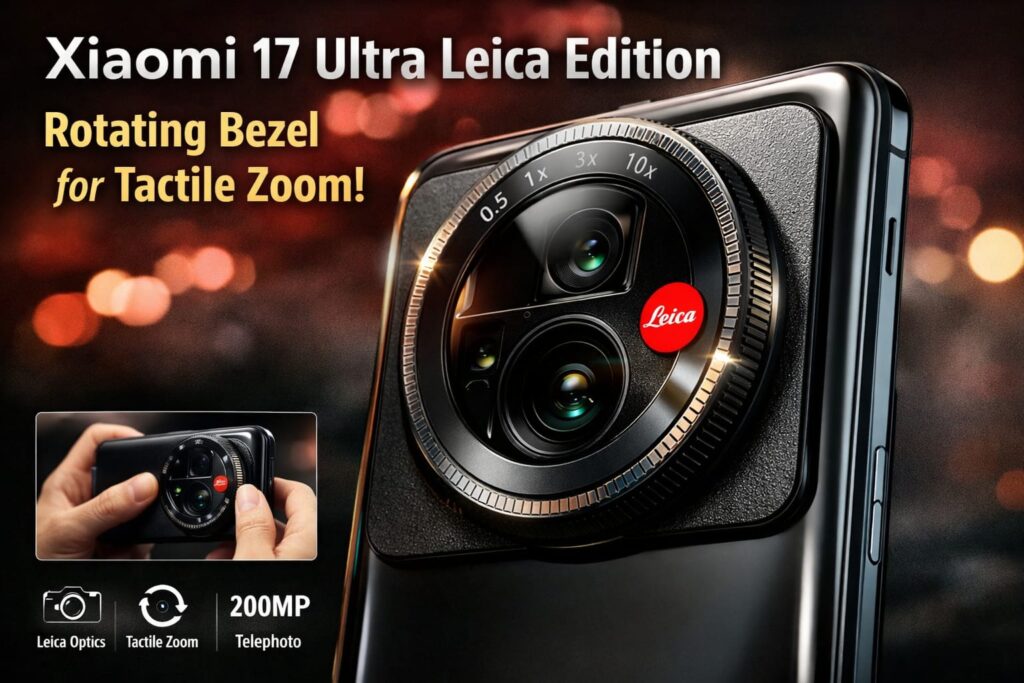
Xiaomi 17 Ultra Leica Edition The smartphone world is buzzing as we approach the official unveiling of the Xiaomi 17 Ultra on December 25, 2025. While leaks about its specifications and design have been circulating for weeks, a last-minute teaser for the Leica Edition of the Xiaomi 17 Ultra has caught the attention of tech enthusiasts worldwide. The highlight? A rotating bezel for tactile zoom, something rarely seen in smartphones.
Let’s take a closer look at what this could mean for mobile photography and why this edition might be a game-changer.
Xiaomi 17 Ultra Leica Edition: Redefining Smartphone Photography
A New Approach to Zoom
For smartphone photographers, one common frustration is zoom control. Most phones rely on pinch-to-zoom gestures on a touchscreen, which can feel imprecise, especially for telephoto shots. Some premium phones, like the iPhone 17, have side-mounted camera control buttons. However, the Xiaomi 17 Ultra Leica Edition could offer a more natural, tactile approach.
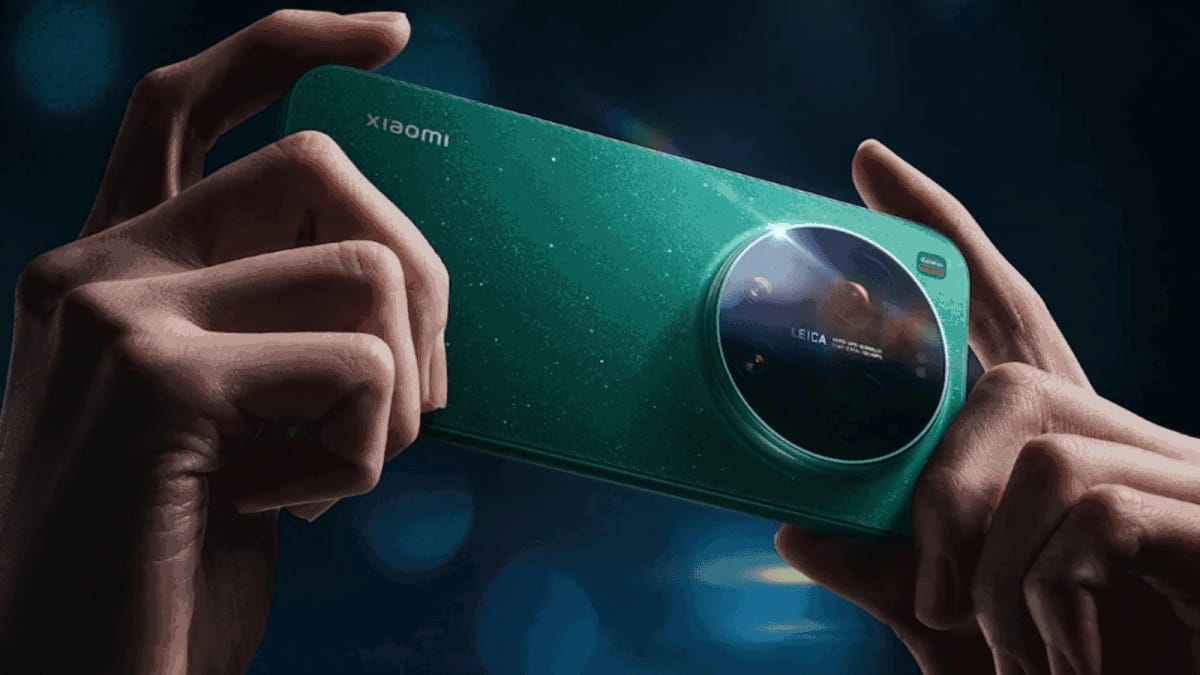
Xiaomi recently teased the phone on Weibo, revealing a rotating bezel on the camera module. The teaser video, captioned “Master Zoom Ring,” strongly suggests this dial is meant for precise optical zoom control, giving users a DSLR-like experience in the palm of their hand.
Standard Xiaomi 17 Ultra vs. Leica Edition
Design Differences
While the standard Xiaomi 17 Ultra retains a rounded camera layout, it does not feature the rotating zoom bezel. Other noticeable differences include branding:
- Standard Model: Features the text “Ultra” on the back.
- Leica Edition: Replaces the text with Leica’s iconic red dot logo, signaling its premium collaboration.
Camera Differences
Both models are expected to have high-end cameras, but the Leica Edition focuses on telephoto precision. Early reports suggest:
Main Camera: 50MP 1-inch sensor for strong low-light performance and dynamic range.
Periscope Zoom Camera: 200MP sensor for extreme long-distance shots.
Ultra-Wide Lens: 50MP lens for expansive landscapes.
APO-Certified Lens: Ensures precise color alignment, minimizing edge blur in zoomed-in shots.
This combination of high-resolution sensors, large lenses, and tactile zoom control may set a new benchmark for smartphone photography.
The Benefits of a Rotating Bezel
Why It Matters
A rotating zoom bezel offers several advantages over touchscreen-only zoom:
1. Precision: Adjust zoom levels with finer control, perfect for telephoto shots.
2. Ergonomics: Mimics the feel of traditional cameras, making it more intuitive.
3. Speed: Faster adjustments without distracting from composition.
4. Professional Appeal: Attracts photography enthusiasts who want DSLR-like handling in a smartphone.
By integrating tactile controls, Xiaomi may be targeting both casual photographers and professionals, offering an experience that combines portability with precision.
Early Sample Shots and Performance
Leaked sample photos from the Xiaomi 17 Ultra indicate exceptional image quality, especially in low-light conditions. The 50MP 1-inch sensor promises high dynamic range, while the 200MP periscope lens allows for impressive zoom without losing clarity.
The APO-certified lens is a highlight, as it aligns all colors to the same focal point. This reduces chromatic aberration and ensures clean edges, even at extreme zoom levels — a feature that typically requires high-end DSLR lenses.
With this setup, the Leica Edition could be the ultimate smartphone for versatile photography, covering everything from ultra-wide landscapes to faraway subjects in remarkable detail.
Will Other Brands Follow?
Xiaomi’s innovation might spark a trend in the smartphone industry. Fans and analysts are already speculating which brands might adopt tactile zoom controls next:
Samsung: Could integrate a rotating dial in future Galaxy S series phones.
Apple: Might explore a digital or physical zoom ring in upcoming iPhones.
Google: Could enhance Pixel photography features with similar tactile control.
Oppo & Vivo: Known for camera-first smartphones, they might experiment with physical zoom mechanisms.
Motorola: Could leverage tactile zoom for niche photography-focused devices.
This innovation might encourage all major smartphone brands to rethink how users interact with mobile cameras.
Why Xiaomi’s Leica Collaboration Matters
The Leica partnership isn’t just about branding. Leica brings decades of optical expertise, ensuring that sensors, lenses, and image processing are tuned for maximum clarity and color accuracy. Combining Xiaomi’s hardware innovation with Leica’s optical mastery could redefine the premium smartphone photography experience.
The tactile zoom bezel paired with Leica-certified lenses might finally bridge the gap between DSLR-like control and mobile convenience, making this edition a must-watch for photography enthusiasts.
Final Thoughts
The Xiaomi 17 Ultra Leica Edition could be one of the most photography-centric smartphones of 2025. From its rotating tactile zoom bezel to high-resolution Leica-certified sensors, the phone promises a unique blend of precision, versatility, and innovation.
Whether you’re a professional photographer seeking a compact solution or a tech enthusiast who loves cutting-edge features, the Leica Edition of the Xiaomi 17 Ultra might just be the smartphone to own this holiday season.