

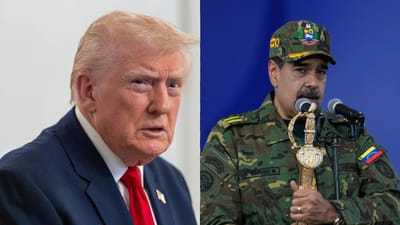
In a dramatic twist that has reignited global attention on US-Venezuela relations, former US President Donald Trump reportedly issued a direct ultimatum to Venezuelan President Nicolás Maduro during a confidential phone call. According to a report by the Miami Herald, Trump told Maduro:
- “You can save yourself and those closest to you, but you must leave the country now.”
The conversation — which took place in mid-November — has quickly become the center of international debate, signalling a potential turning point in Washington–Caracas dynamics and marking one of the most confrontational exchanges in years.
Safe Passage Offered — But Maduro Refuses
The report states that the United States offered safe passage to Maduro, his wife Cilia Flores, their son, and several key allies, but only on the condition that he immediately step down and depart Venezuela.
However, negotiations collapsed when Maduro allegedly demanded:-
- Global amnesty for himself and senior members of his circle
- The right to retain control of Venezuela’s armed forces, even if free elections were allowed
US officials reportedly rejected both conditions outright. Shortly after, Maduro’s government sought a second call with Washington — but received no response.
Trump Confirms Call but Stays Guarded
Addressing reporters, Trump confirmed that he had spoken with Maduro but avoided specifics:
- “I wouldn’t say it went well or badly.”
His cautious tone contrasted with his public warning soon after: that Venezuelan airspace should be considered closed “in its entirety.”
This declaration came amid heightened military presence in the Caribbean and rising accusations that Venezuela is enabling drug trafficking operations.
Venezuelan Airspace Empties as Tensions Spike
Following the breakdown of talks, Trump escalated pressure dramatically:
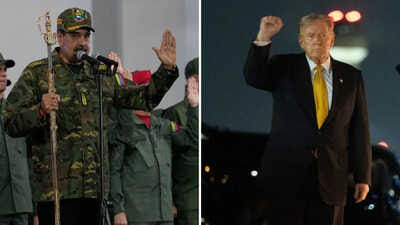
- He warned that US operations ‘by land’ could begin very soon
- Ordered commercial aircraft to avoid Venezuelan airspace
- FAA issued alerts citing “heightened military activity”
FlightRadar24 data later showed no international aircraft flying over Venezuela.
Airlines rerouted flights to Aruba, Curaçao, and other destinations, increasing travel times. Caracas retaliated by revoking operating rights of several foreign airlines, labeling US action as “colonial aggression.”
US Politicians Link Crisis to Drug War
US lawmakers have publicly backed the administration’s stance.
Senator Dave McCormick stated:
- “We have a war that’s coming through fentanyl, opioids, cocaine… Venezuela is fuelling a crisis that killed 100,000 Americans last year.”
Meanwhile, US maritime forces have increased strikes on alleged drug-carrying vessels in the Caribbean — operations critics argue may include extrajudicial actions. A congressional investigation is currently reviewing an alleged “double tap” strike near Trinidad, which US Secretary of War Pete Hegseth has denied authorizing.
What Happens Next?
With diplomatic communications stalled, Venezuelan leadership under pressure, and US military activity increasing in the region, analysts warn that Caracas may be facing its most serious threat yet.
Both sides appear to be preparing for potential escalation — political, economic, or even military.
For now, the world watches as the crisis enters a volatile new phase.