

“Jatadhara Movie Review: Sudheer Babu and Sonakshi Sinha’s Thriller Fails to Impress
Venkata Kalyan and Abhishek Jaiswal’s Telugu film is executed in a monotonous and negligent manner.
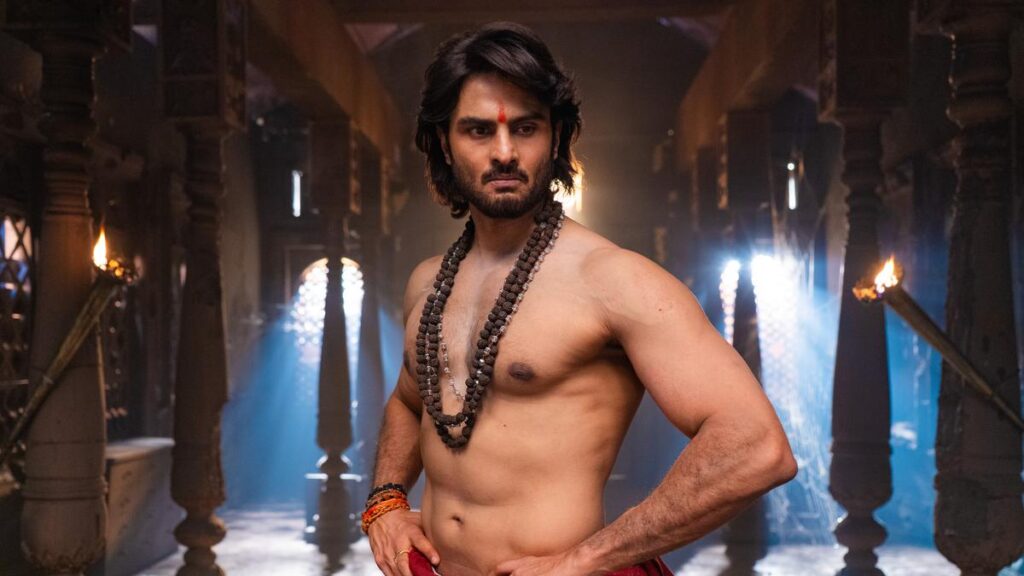
From Deviputrudu to Karthikeya and more recently Virupaksha, many mystical thrillers have followed a similar pattern. Over time, they explore how a skeptic transforms into a believer against a backdrop of supernatural experiences. Directed by Venkata Kalyan and Abhishek Jaiswal, Jatadhara gives its protagonist Shiva (played by Sudheer Babu) an unusual persona — that of a ghost hunter who ironically doesn’t believe in ghosts.
During the day, Shiva works in the corporate sector alongside his friend. But when they’re not at their desks, they spend their time exploring haunted houses in search of spirits. The film opens with a scene that sets the tone for Shiva’s mindset at a conference on supernatural phenomena. Interestingly, he hunts ghosts not to prove they exist, but to prove that they don’t. For him, fear itself is the beast that needs to be tamed — not the ghost.
Everything that could have worked in the film—like the ghost hunts, pseudo-scientific talks about spirits, or the folklore-like backdrop of materialistic desires leading to Shiva’s transformation—falls flat. Looking at it from a critical, time-tested perspective, the execution lacks any real conviction. A sense of superficiality and indifference lingers throughout the movie.
The screenplay lacks any real structure, and the film keeps hammering the same point about Shiva’s visions, yet it leads nowhere. The writing often feels like an over-the-top sermon, glorifying superstition and rigid traditions. The film’s treatment is extremely ordinary, while the performances come across as uninspired and overly rehearsed. Even the setting feels completely inauthentic.
After the interval, the film dives even deeper, revealing Shiva’s complicated family history (and the flashbacks don’t end there). The story includes lemons, black magic rituals, sorcerers, rice-filled pots stained with blood, animal sacrifices, and legends of cannibalism. The staging feels grotesque, almost as if the director forgot to call a “cut” between shots.
At the very least, the filmmakers could have added some emotional weight to the connection between Shiva and his biological parents. His sudden transformation is hard to accept. The absence of a strong music composer is especially noticeable during the climax. The consecration of Shiva’s idols and the subsequent Tandava feel so mechanical that they fail to leave any real impact.
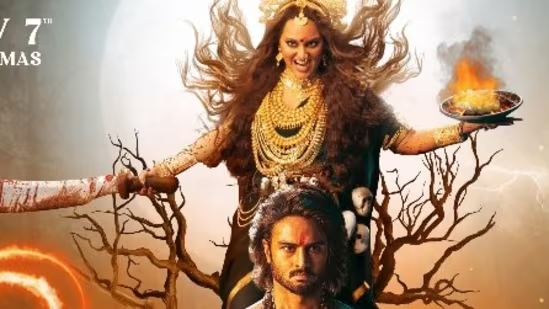
As the film progresses, Sudheer Babu appears lost and unaware, and there seems to be no clear way for him to take meaningful action or make up for the setbacks on the ground. Divya Khosla Kumar’s extended presence lacks impact and strong context. The biggest disappointment, however, comes from Sonakshi Sinha in her first Telugu film. She appears as if she’s posing for a jewelry advertisement, dressed accordingly, and delivers some truly awkward and unnatural dialogues.
Shilpa Shirodkar’s return to Telugu cinema is equally disappointing. The casting of Rajeev Kanakala and Jhansi as Shiva’s parents feels awkward and offbeat. Pradeep Rawat’s mismatched hairstyle and styling are cringe-worthy. Subhalekha Sudhakar, playing the spiritual guru Neelkanth Shastri, goes on endlessly about myths and astrological predictions, almost as if the scenes were lifted straight from a pre-release promotional video.
A number of lip-sync problems have emerged in the attempt to shoot the movie concurrently in Telugu and Hindi. Additionally, the editing and production are badly done. The outfits seem out of place, and the production design feels incredibly simple. It is depressing to observe that, even in 2025, viewers are still exposed to a story that is retrograde and propagates such antiquated notions.
Before the hero Shiva finds the answers to his questions, the audience uncovers another mystery in Jatadhara: What are they really trying to achieve?